
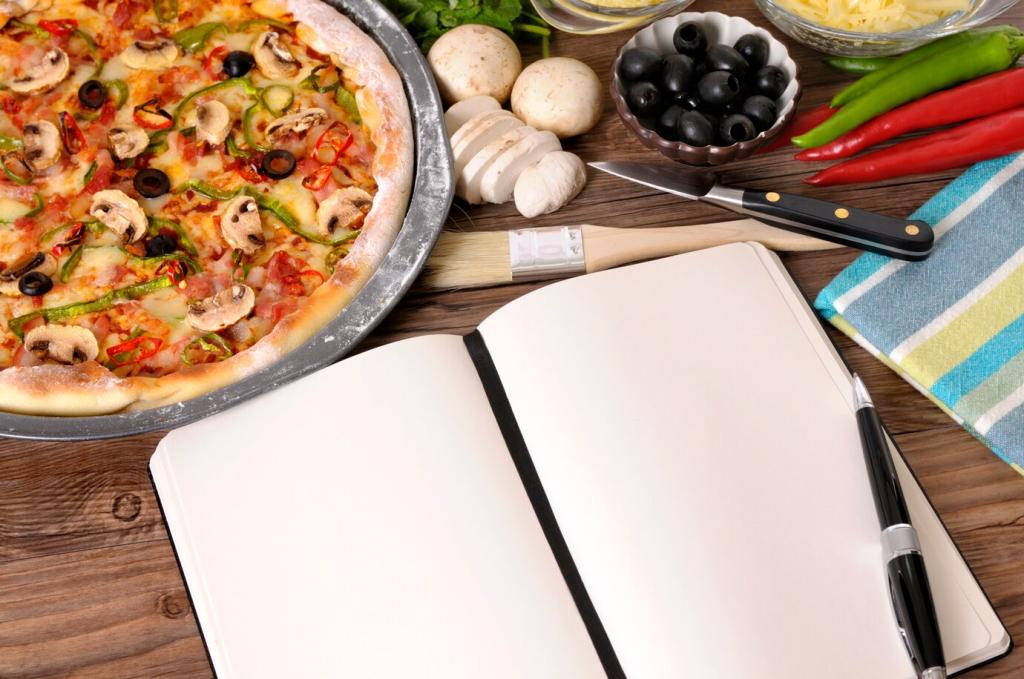
Side-by-Side Secrets: Comparing Cooking Techniques Across Popular Cookbooks

Chosen theme: Comparing Cooking Techniques Across Popular Cookbooks. Welcome to a delicious deep dive where we test, contrast, and celebrate the methods that beloved authors champion. Explore what truly works in your kitchen, share your experiences, and subscribe for future head-to-head technique breakdowns.

Searing, Roasting, and the Language of Heat

The Food Lab argues for preheating the pan until oil shimmers and considering smoke points, while Joy of Cooking leans on visual cues and sensible ranges. Try both, watch how fond develops, and report below which method delivered the deepest crust in your kitchen.

Searing, Roasting, and the Language of Heat

Julia Child insists on dry surfaces and generous space so steam escapes and browning triumphs. Pat beef dry, heat the fat, and resist poking for those first sacred minutes. Did patience reward you with a mahogany sear, or did curiosity win?
Marcella Hazan favors restraint: few ingredients, steady heat, and controlled evaporation. Brown well, then add modest liquid and let time transform connective tissue. Contrast that with America’s Test Kitchen, which layers flavor with broths and tomato paste. Which philosophy best matched your palate?
Bittman champions simplicity for poached fish and eggs, keeping temperatures just below a simmer. America’s Test Kitchen recommends exact ranges and vinegar for reliable egg whites. Try both and note clarity of broth, tenderness, and aroma. Comment with your temperature sweet spot.
Ottolenghi often steams delicately, then finishes with bold contrasts: lemon, tahini, or herby oils. Steaming preserves color and snap; the finishing sauce delivers personality. Share your favorite finishing flourish and whether you season before, during, or after the steam.

Prep, Mise en Place, and Knife Work Across the Canon

How to Cook Everything encourages pragmatic prep, adapting cuts to time and appetite. America’s Test Kitchen often specifies exact sizes to synchronize cooking. Try a stir-fry both ways and note texture and timing differences. Which style keeps you calm and consistent on busy weeknights?

Salt, Acid, and Aromatics: Seasoning Strategies Compared

The Food Lab champions dry brining early for deeper diffusion and crisp skin, while America’s Test Kitchen tests wet brines for lean meats needing insurance. Try a side-by-side roast and note texture, juiciness, and browning. Which brine earned a repeat in your kitchen?

Salt, Acid, and Aromatics: Seasoning Strategies Compared

Samin frames acid as a brightness dial, encouraging you to taste, adjust, and taste again. Deborah Madison layers citrus, vinegars, and fermented notes with vegetables. Cook a simple bean dish two ways and compare liveliness on the palate. Share your favorite last-second acidic lift.
Timing, Thermometers, and Modern Precision

Modernist Cuisine advocates controlled, low-temperature cooking to even gradients, followed by a high-heat finish. Contrast with traditional roast methods that build crust early. Track internal temperatures and carryover. Which route yielded juicier slices and a more predictable result in your oven?
The Food Lab popularizes approachable sous vide, using precise water baths for steaks, eggs, and custards. Compare with Joy of Cooking stovetop techniques that rely on timing and cues. Report tenderness, moisture retention, and sear quality after finishing. Did precision change your weeknight routine?
Multiple books stress resting, from roasts to breads, to let moisture redistribute and temperatures stabilize. Measure how much carryover you observe and adjust your pull points. Share your rule of thumb for resting times, and subscribe for more practical, testable kitchen heuristics.

Vegetable-Forward Voices and Techniques

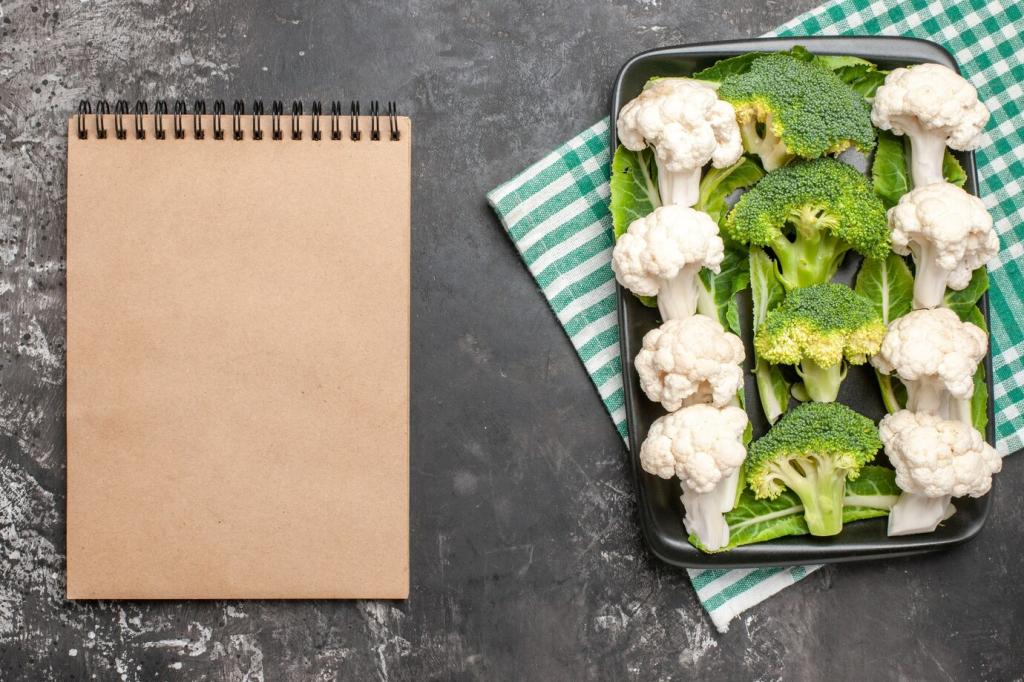
Ottolenghi often roasts hard for char, then cools the heat with yogurt, herbs, or sharp dressings. The interplay of textures and temperatures sparks excitement. Try roasted cauliflower with tahini and pomegranate. Share your favorite pairing that turns simple veg into a centerpiece.

Vegetable-Forward Voices and Techniques

Vegetable Literacy steers you toward respectful heat and seasoning, allowing natural sweetness and structure to shine. Slow-sauté greens or braise roots in aromatics. Compare to bolder roasting approaches and note flavor differences. Which path made you eat more vegetables, more happily?

Vegetable-Forward Voices and Techniques

The Art of Simple Food celebrates shopping well, salting early, and using impeccable olive oil and acids. Minimal steps, maximum clarity. Cook asparagus two ways, steamed and grilled, with lemon and thyme. Post your results and vote on which technique tasted most like spring.

Vegetable-Forward Voices and Techniques

Lorem ipsum dolor sit amet, consectetur adipiscing elit. Ut elit tellus, luctus nec ullamcorper mattis, pulvinar dapibus leo.

Themoderncauldron
Privacy Overview

This website uses cookies so that we can provide you with the best user experience possible. Cookie information is stored in your browser and performs functions such as recognising you when you return to our website and helping our team to understand which sections of the website you find most interesting and useful.